Stair Handrail Brackets How to Secure and Enhance Your Railings
Stair Handrail Brackets How to Secure and Enhance Your Railings
Stair Handrail Brackets How to Secure and Enhance Your Railings
Josh McGrath
December 10, 2024
Securing stair handrails with sturdy brackets is essential for safety and aesthetic appeal. Handrail brackets anchor railings securely to the wall and uplift the overall look of your staircase. Whether upgrading an existing staircase or installing a new handrail, selecting the correct brackets and knowing how to install them properly will ensure long-term durability and stability.
This guide will cover the types of stair handrail brackets available, the steps forinstallation, and tips for choosing the right bracket style to complement your home’s decor. A well-installed handrail not only provides support but also adds an element of sophistication to your staircase. By following the correct installation techniques, you’ll ensure that your railings are both safe and stylish. Read on for practical tips to secure your handrail brackets and improve the overall appearance of your stairway.
Why Invest In Stair Handrail Brackets?
Stair handrail brackets play a vital role in making sure of the safety and stability of your staircase. Investing in quality handrail brackets is essential, especially if you want a secure, stylish, and long-lasting system. Here’s why choosing the right handrail stair brackets is wise for any homeowner.
Improved Safety- High-quality handrail brackets provide the essential support to keep your railings firmly attached to the wall. Properly installed brackets ensure that railings can bear weight, reducing the risk of stair accidents.
Durability- Quality handrail stair brackets are built to withstand daily wear and tear. Choosing durable materials for your handrails makes sure they remain stable for years without frequent replacements.
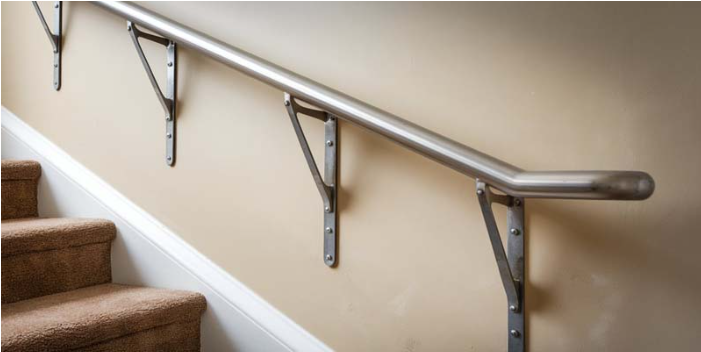
Aesthetic Appeal- Handrail brackets come in various designs and finishes, allowing you to match them with your interior style. Options like brushed nickel, bronze, or black powder-coated finishes add a stylish touch that improves your staircase.
Easy Installation and Maintenance—Most handrail brackets are designed for straightforward installation. Once installed, they require minimal maintenance, making them ideal for busy households.
Tools And Appliances Needed To Install Handrails
Installing handrails with sturdy handrail brackets requires the right tools to ensure a secure fit and a professional look. Below is a list of essential tools and appliances for installing handrail stair brackets effectively.
Measuring Tape and Level- Precise measurements are essential for accurate bracket placement. A level ensures your handrail is aligned correctly for a balanced look and secure fit.
Stud Finder—Use a stud finder to locate wall studs. Attaching handrail brackets to studs provides maximum support and keeps the handrail securely anchored.
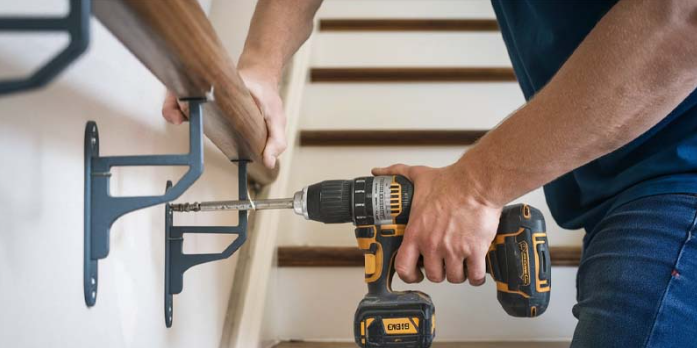
Drill and Drill Bits- A power drill is essential for making precise holes for screws, especially if you’re working with hardwood or metal brackets. Ensure you have drill bits that match your screws for a secure fit.
Screwdriver and Screws- Once drilled, use a screwdriver to secure the handrail stair brackets in place. Make sure to use the screws recommended for your specific handrail and bracket type.
Pencil and Marking Tools- Marking the exact points where brackets will be installed helps avoid misalignments and allows for a smooth installation.
Factors To Consider While Choosing Stair Handrail Brackets
Choosing suitable handrail brackets is essential for a safe, functional, and stylish staircase. Factors to consider when selecting handrail stair brackets are as follows:
Material and Durability- Handrail brackets are available in stainless steel, brass, and aluminum. Stainless steel can resist rust, making it ideal for long-term use. Brass adds a classic, stylish touch but may require additional maintenance to retain its shine.
Weight Capacity—Consider the weight capacity of your chosen brackets, especially if the handrail will experience heavy use. Opt for brackets that handle higher-weight loads for added support to ensure long-lasting safety.
Style and Finish- Get different finishes for handrail stair brackets, such as brushed nickel, matte black, and polished chrome. Select a style complementing your home decor while enhancing the visual appeal of your staircase.
Mounting Type—Decide between wall-mounted or post-mounted brackets based on your staircase layout. Wall-mounted brackets are ordinary for staircases against walls, while post-mounted options are helpful for open stairways.
Steps To Install Handrail Brackets
Installing stair handrail brackets is straightforward and ensures your handrails are securely anchored and aligned for safety and style. Follow these steps to install handrail stair brackets effectively.
Bracket Locations
Begin by measuring the length of the handrail and determining where each bracket will be installed. Generally, handrail brackets should be spaced 36 to 48 inches apart to ensure even weight distribution. Use a pencil and level to mark the exact spots for each bracket along the stair wall.
Locate Wall Studs
For a secure installation, handrail brackets should be mounted into wall studs. Use a stud finder within your marked areas. Mounting into studs gives the handrail more stability and prevents it from becoming loose over time.
Drill Pilot Holes
Once your bracket locations are marked and studs located, drill pilot holes for the screws. Pilot holes make it easier to screw in the brackets without damaging the wall or the bracket material, ensuring a smooth installation.
Attach the Brackets to the Wall
Position each handrail bracket over the drilled pilot holes, aligning it with your markings. Secure the screws through the bracket and into the wall studs. Tighten each screw to ensure the bracket is stable and doesn’t shift.
Mount the Handrail to the Brackets
With the stair handrail brackets securely in place, position the handrail onto the brackets. Align it so that it sits evenly and level along the staircase. Use screws to secure the handrail onto each bracket, checking for any adjustments.
Double-Check Stability
Once everything is secured, gently shake the handrail to check for loose areas. Ensure all brackets are firmly anchored and adjust any that feel unstable.
Wrapping Up
Installing handrail brackets is essential for creating a safe and stylish staircase. By carefully selecting quality handrail stair brackets and following the proper installation steps, you ensure long-lasting support and an improved look for your stairs. From choosing durable materials to providing a secure fit into wall studs, each step contributes to a reliable, stable handrail system. For high-quality stair handrail brackets, visit Woodstairco.com. Check out options that suit your style and safety needs, and get expert guidance on achieving a professional, durable handrail installation in your home.
Josh McGrath
I’m Josh McGrath, a wood stair specialist with years of hands-on experience helping homeowners, DIY builders, and contractors with stair treads, risers, and stair components. I work with the team at Wood Stair Co, sharing practical advice, installation tips, and product insights to help you make confident decisions in your stair remodeling or construction projects. I’m passionate about quality craftsmanship and clear guidance so your staircase turns out both beautiful and functional.






Comments